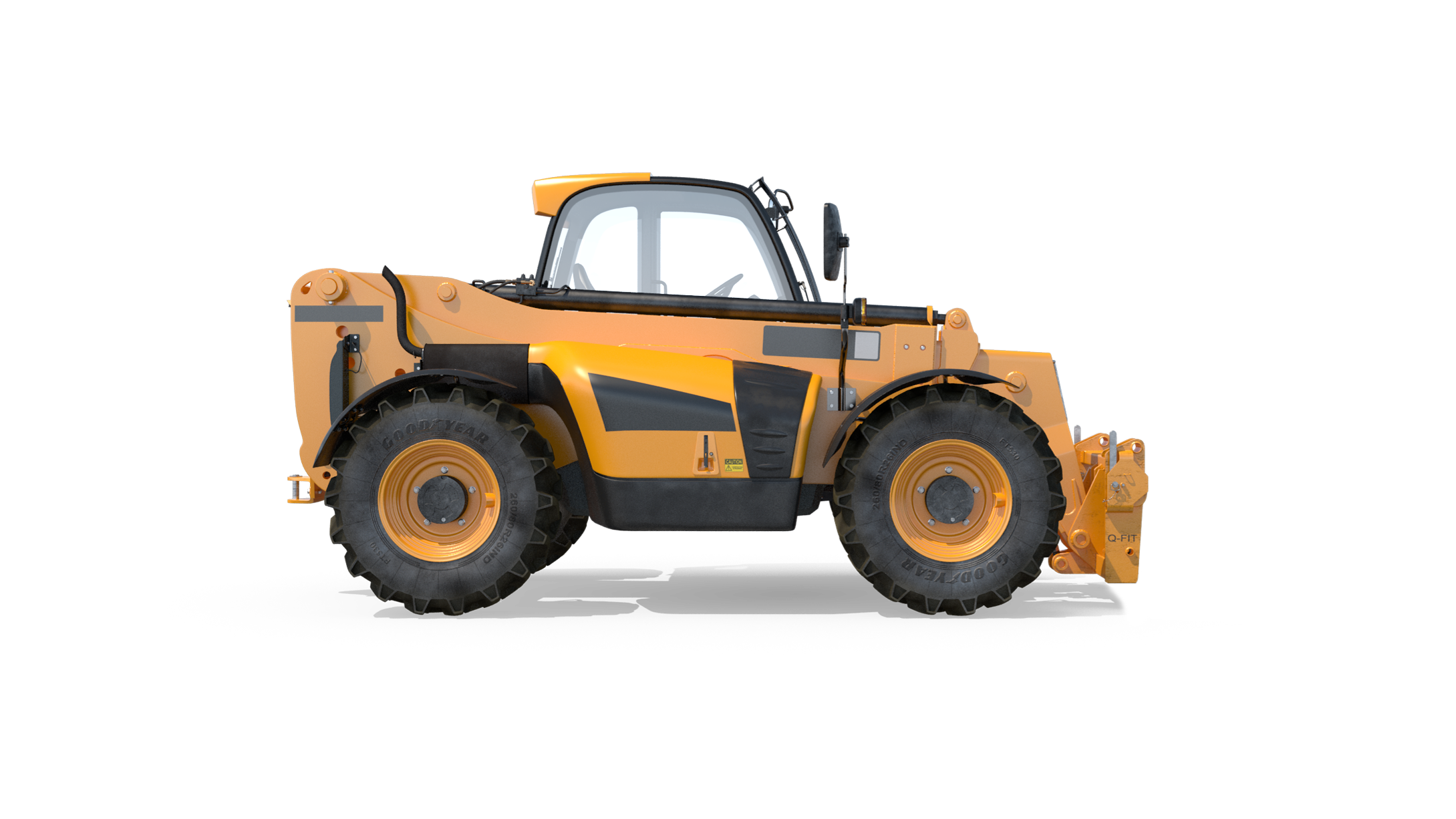
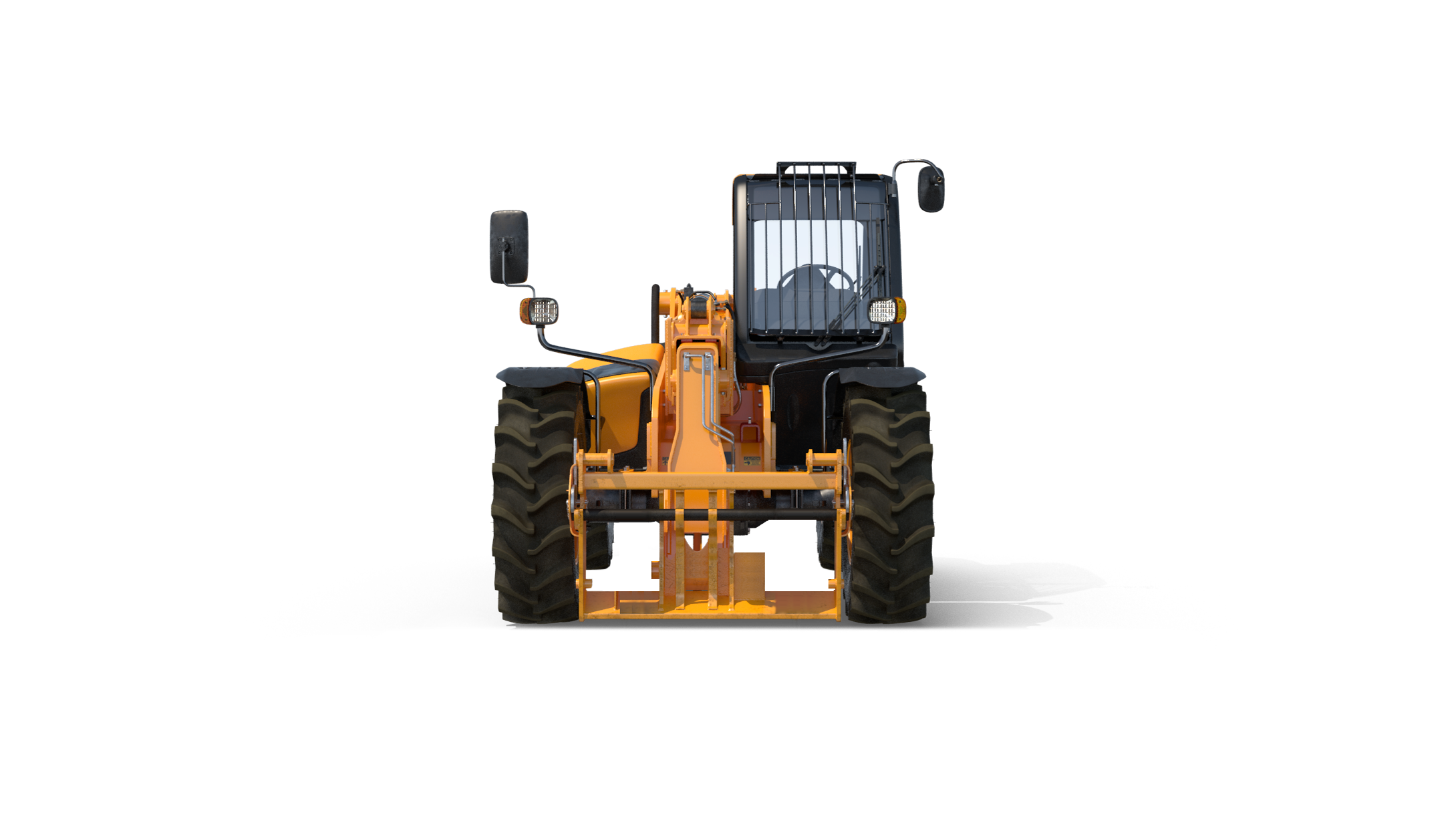
Handler 202 Cargo
Frequently asked questions
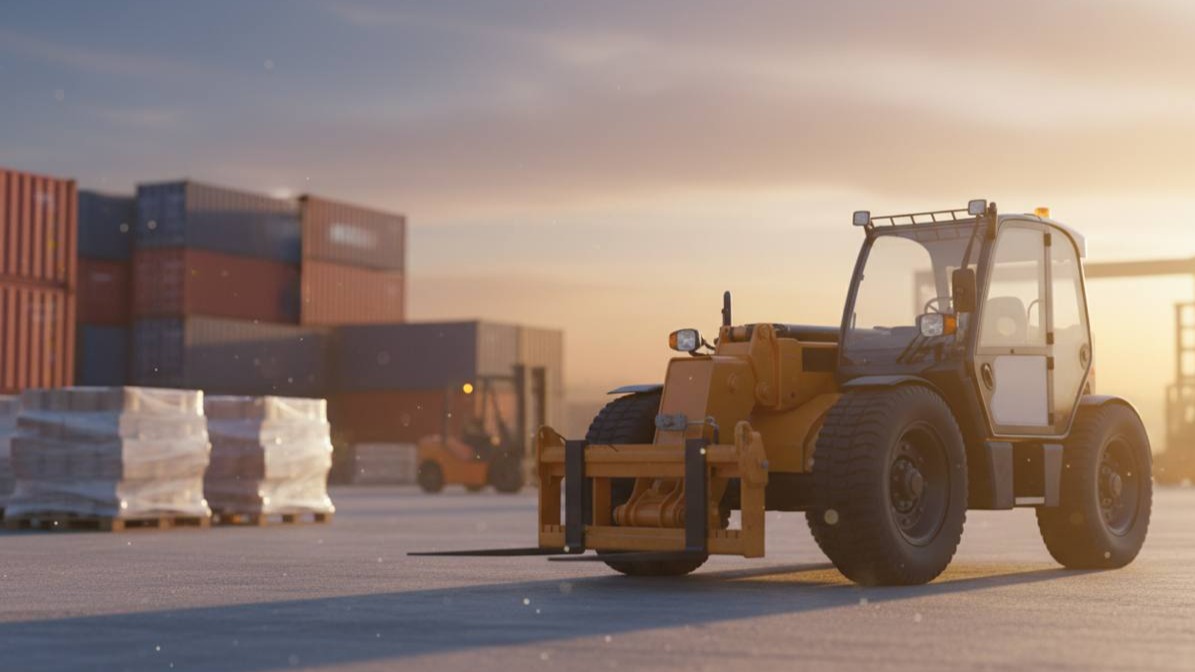
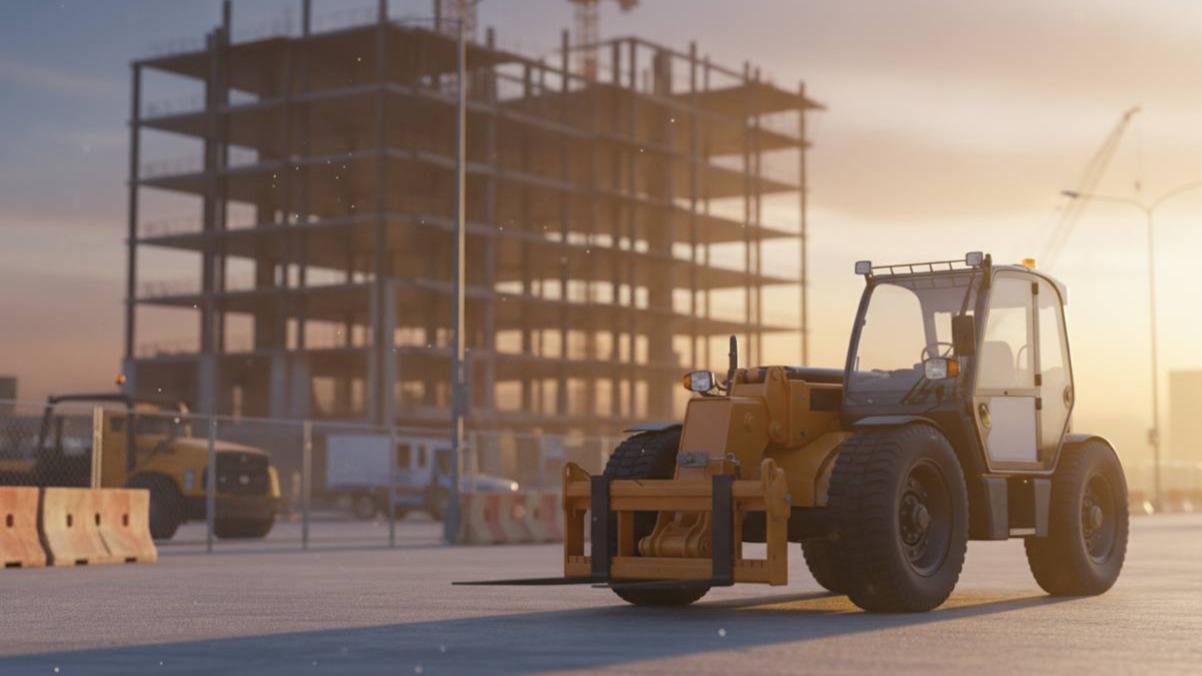
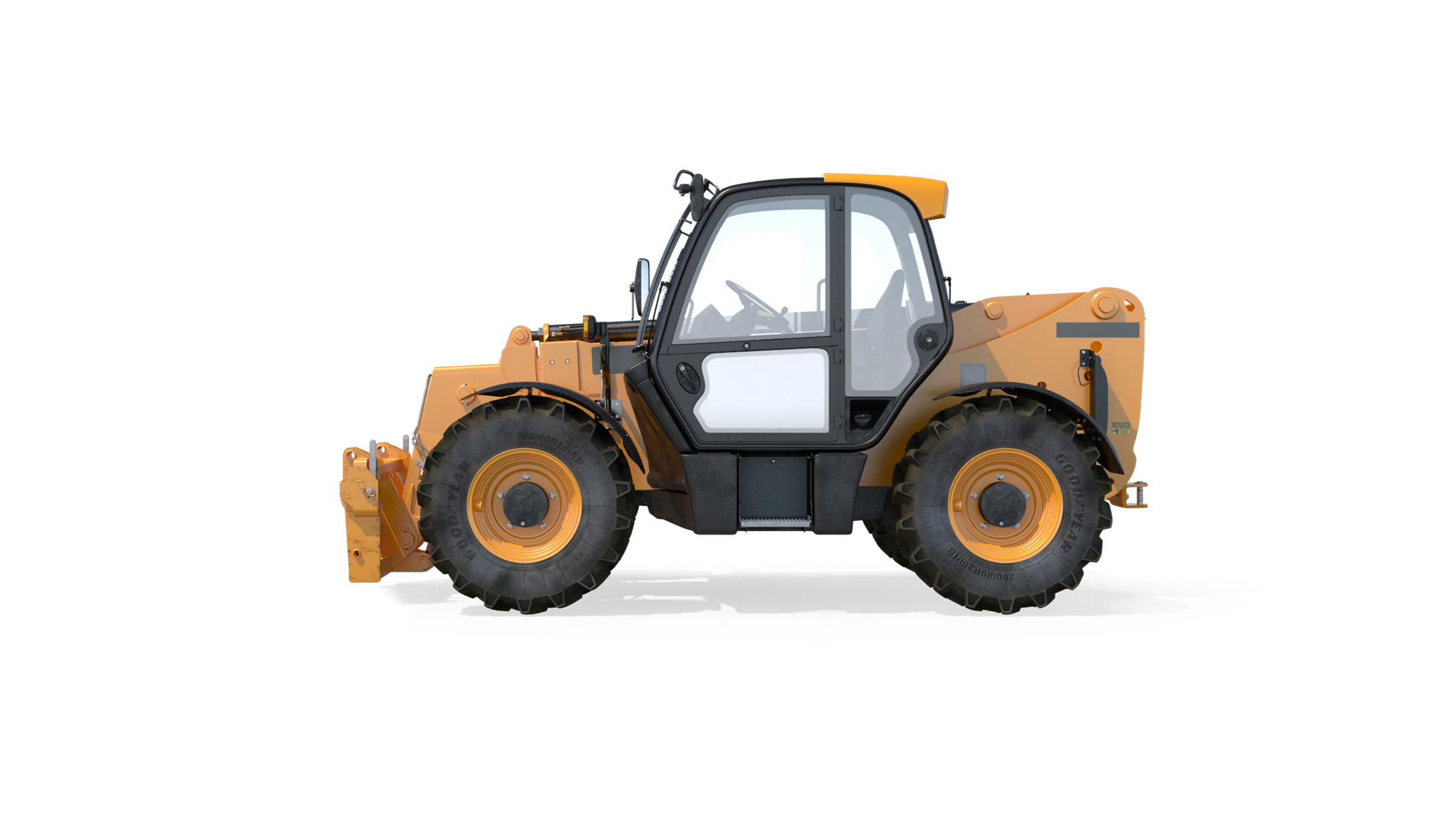
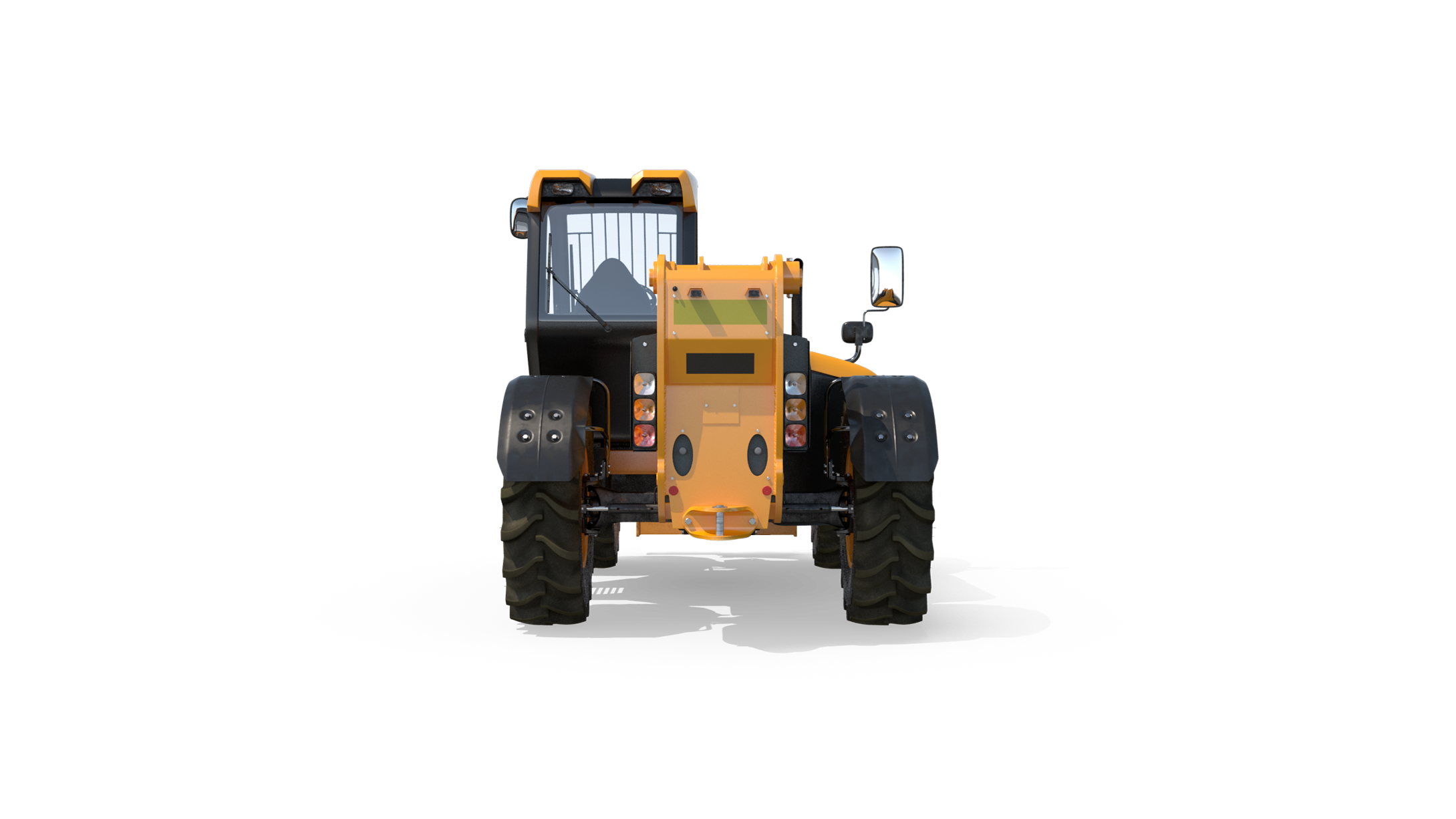
The 202 Cargo is designed for the most demanding material handling environments — construction sites, quarries, logistics operations, heavy industry, ports, and large warehouses. The 140 kW engine provides hydraulic power and drive performance to handle larger, heavier loads over long working days without fatigue. It is the highest-specification machine in the MVP range, designed for users who need maximum power and durability in heavy-use conditions.
At full near-ground load center, a telehandler in this class typically offers a rated lift capacity of approximately 3,500–4,000 kg, reducing to around 1,500–2,000 kg at full forward reach. These figures are consistent with comparable 140 kW telehandlers. For the exact load diagram specific to your chosen reach configuration, request the full load chart from your MVP dealer.
Yes. The Fork and Longer Fork attachments are specifically designed to handle oversized materials like steel beams, long timber sections, scaffold poles, and bagged materials on extended loads. The Industrial Grapple is well suited for bundled pipe, rebar, or scrap. For loose or irregular industrial materials, the Fork Grapple or Industrial Grapple provides the combination of support and secure clamping needed for safe lifting.
A telehandler offers significant advantages over a traditional rough terrain forklift: the telescopic boom allows you to place materials at height and over obstacles that a fixed-mast forklift cannot access. The 202 Cargo also switches attachments quickly — from forks to a bucket or work platform — making it a versatile single machine that can replace multiple pieces of equipment. The tradeoff is that telehandlers are generally slower than forklifts in very tight indoor racking environments.
Yes. With foam-filled or solid tires and an appropriate grapple attachment such as the Heavy Duty Grapple or Industrial Grapple, the 202 Cargo is an excellent choice for quarry access roads, recycling yards, and waste handling facilities. Foam-filled tires provide the puncture resistance needed in environments with sharp rock or metal scrap. The 140 kW engine ensures sufficient hydraulic force for heavy, dense materials like stone aggregate or compacted waste.
For a machine in heavy-duty use, standard service intervals typically fall every 500 hours for minor services such as engine oil and filter changes, and every 1,000–2,000 hours for major drivetrain and hydraulic checks. Services include oil and filter changes, hydraulic fluid checks, boom pin lubrication, brake inspection, and transmission service. MVP's optional maintenance agreement covers planned service cycles — contact your MVP dealer for details.
MVP uses a configure-and-quote model — the final price is calculated based on your exact specification, including reach configuration, tire type, cabin setup, lighting, and optional maintenance agreement. Use the Request a Quote function on the product page to submit your configuration, or contact an MVP dealer directly for a full written quote.